
Cost of Drainage Sloping in Portland, ME
Drainage sloping services in Portland, ME, involve adjusting the grade of a property’s surface to ensure proper water runoff away from structures and foundations. The cost of these projects can vary depending on the scope of work, the materials used, labor requirements, and specific site conditions such as soil type and existing landscape features. Understanding these factors can help in comparing options and estimating potential expenses.
Final pricing for drainage sloping projects is typically influenced by the size of the area needing adjustment, the complexity of the slope design, and any additional site preparations or modifications required. It is recommended to obtain detailed estimates that consider all relevant factors to better understand the potential costs involved in a specific project in Portland, ME.
Estimated Price Range
$1,200 - $2,800 (smaller scope)
$4,500 - $9,000 (larger scope)
| Project Type | Typical Range |
|---|---|
| Basic Drainage Slope Adjustment | $1,200 - $2,800 |
| Driveway Drainage Slope | $2,000 - $4,500 |
| Yard Drainage Slope | $3,000 - $7,000 |
| Retaining Wall Drainage Slope | $4,500 - $9,000 |
| Foundation Drainage Slope | $3,500 - $8,000 |
| Landscape Drainage Slope | $2,500 - $6,000 |
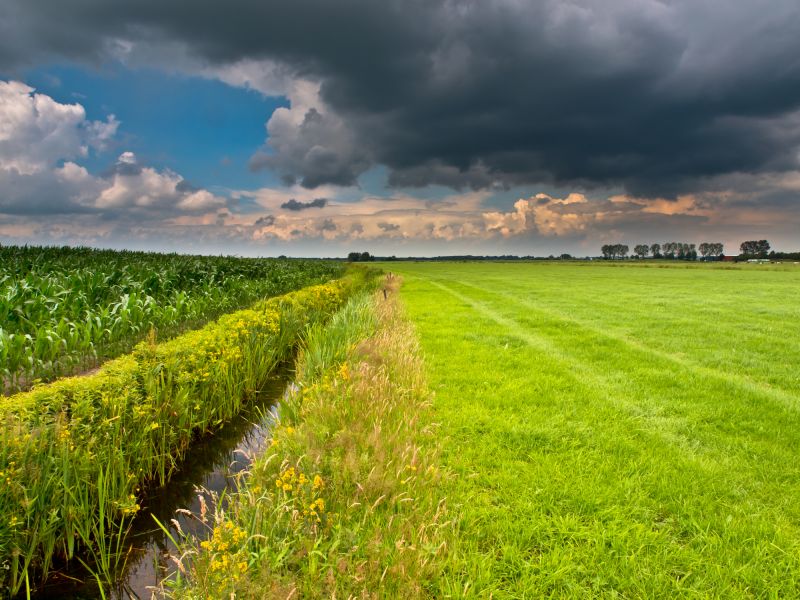
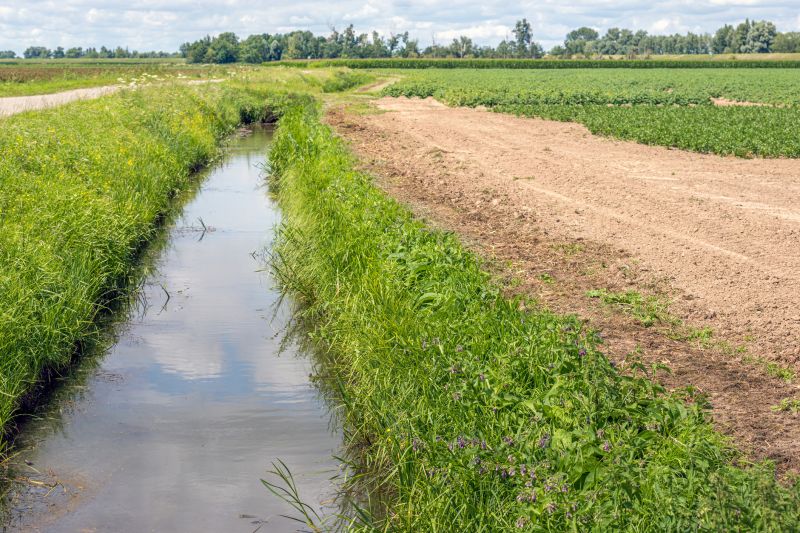
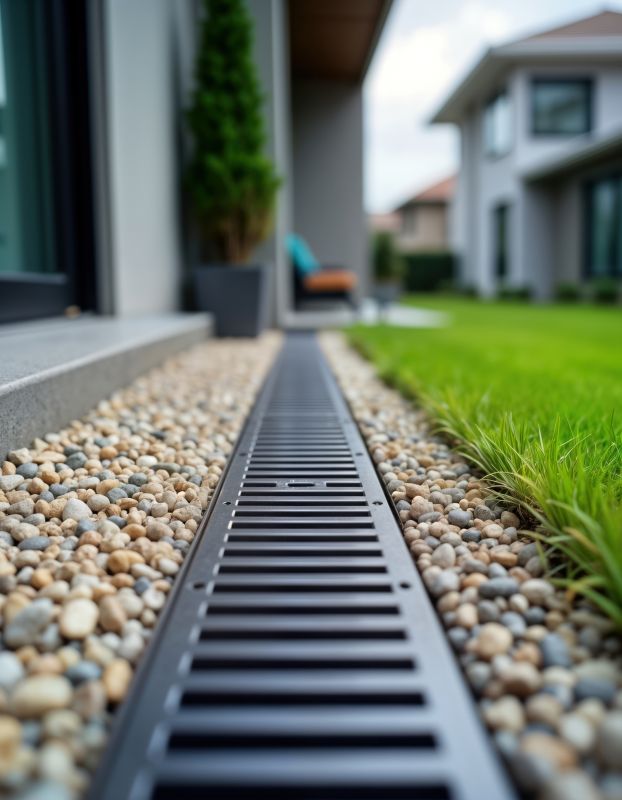
Factors like terrain, materials, and project complexity impact costs.
Drainage sloping is an essential aspect of managing water runoff around properties in Portland, ME. Properly designed slopes help prevent water pooling and foundation issues, ensuring effective drainage away from structures and landscaped areas. Understanding typical project components can aid in planning and budgeting for drainage improvements.
- Materials: Common materials include compacted soil, gravel, and geotextile fabrics, selected based on site conditions and drainage needs.
- Size and Scope: Projects can range from small yard slopes to extensive drainage systems spanning multiple areas, depending on property size and water flow requirements.
- Labor Complexity: Installation varies from straightforward grading to more complex excavations, often requiring specialized equipment and expertise.
- Permitting: Local regulations may necessitate permits for grading or drainage modifications, especially if work impacts stormwater management or involves significant earth movement.
- Extras: Additional features may include drainage pipes, catch basins, or erosion control measures, which can influence overall project costs and scope.
Project size influences overall expenses and timeline.
| Scope/Size | Typical Range |
|---|---|
| Small Residential Drainage | 1-2 inches of slope per foot |
| Medium Commercial Drainage | 2-3 inches of slope per foot |
| Large-Scale Drainage Systems | 3-4 inches of slope per foot |
| Downspout Drainage | 1-2 inches of slope per foot |
| Foundation Drainage | 1-2 inches of slope per foot |
In Portland, ME, proper drainage sloping is essential to prevent water pooling and foundation issues, especially considering the area's seasonal precipitation patterns.